
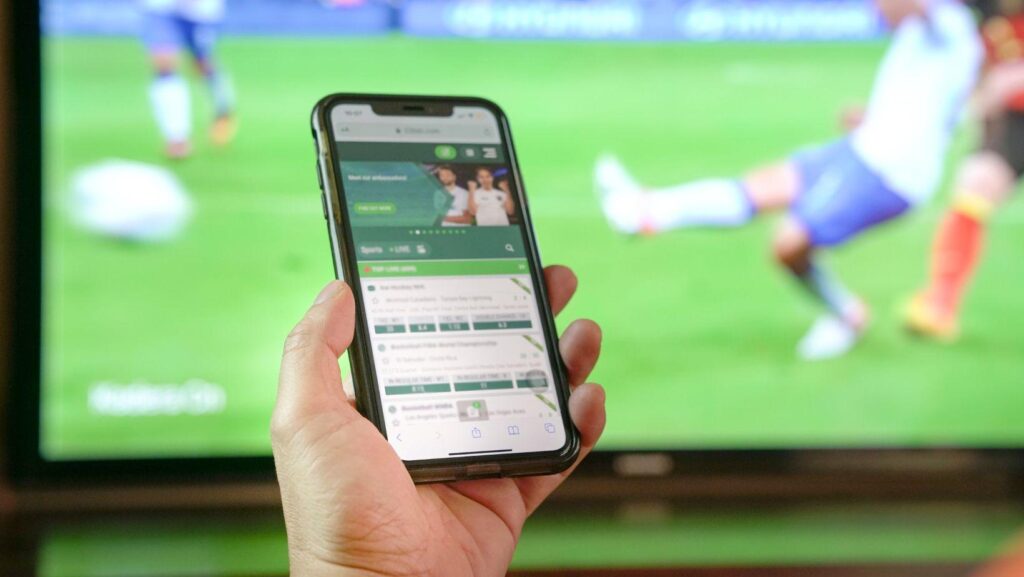
Launching a sportsbook with iFrame technology can seem like a shortcut. In some ways, it is. But many first-time operators focus only on the technical simplicity and ignore the business complexities around it. This often leads to weak setups, low player engagement, and revenue that never reaches its potential. A structured approach like the GR8_TECH – sports betting iFrame integration development shows how early clarity helps avoid waste and keep operations efficient.
Where Beginners Often Misstep
The biggest misconception is assuming that once the iFrame is embedded, the job is done. But the betting experience doesn’t stop with odds and markets. Your users interact with everything around the iFrame – from registration to withdrawals. That’s where most mistakes happen.
Common errors made by new operators include:
- Ignoring the user experience. Clunky design or mismatched styles make the iFrame feel disconnected.
- Weak payment integration. Users abandon deposits when methods are unfamiliar or slow.
- Overlooking regulation. The iFrame provider may be licensed, but your local compliance is still your responsibility.
- Going live without a CRM or marketing strategy. Traffic without conversion leads nowhere.
- Neglecting mobile layout. A bad mobile experience cancels out any front-end efforts.
These problems don’t always show up immediately. But over time, they slow growth, increase churn, and make scaling expensive. Fixing them after launch is harder than preventing them during setup.
That’s why planning matters. Map every customer journey step. Think beyond the iFrame. Consider how players arrive, register, deposit, bet, contact support, and cash out. Each step must feel smooth, fast, and local.
Getting the Integration Right
iFrame only replaces the sportsbook engine, not the platform around it. Operators still manage the brand, onboarding, payments, campaigns, and retention tools. If even one of these parts is missing or poorly configured, users won’t stay.
A provider like GR8_TECH supports the integration technically, but the operator must align business operations. The line between what you own and what the iFrame covers should be defined clearly. Without that structure, roles blur, and delays appear.
Run usability tests before launch. Simulate real player actions – deposits, live bets, bonus claims. Track where users hesitate or drop off. Then fix. This small step can prevent larger problems after launch.
iFrame integration is fast, but not automatic. It’s a tool – not a strategy. Operators who treat it as the starting point, not the full solution, build more stable and scalable platforms. That’s what separates a fast launch from a sustainable business.